portfolio Case Study: Partner portal
Creative Direction · UX/UI Strategy · Information Architecture · Content Strategy · Partner Enablement · Video Production
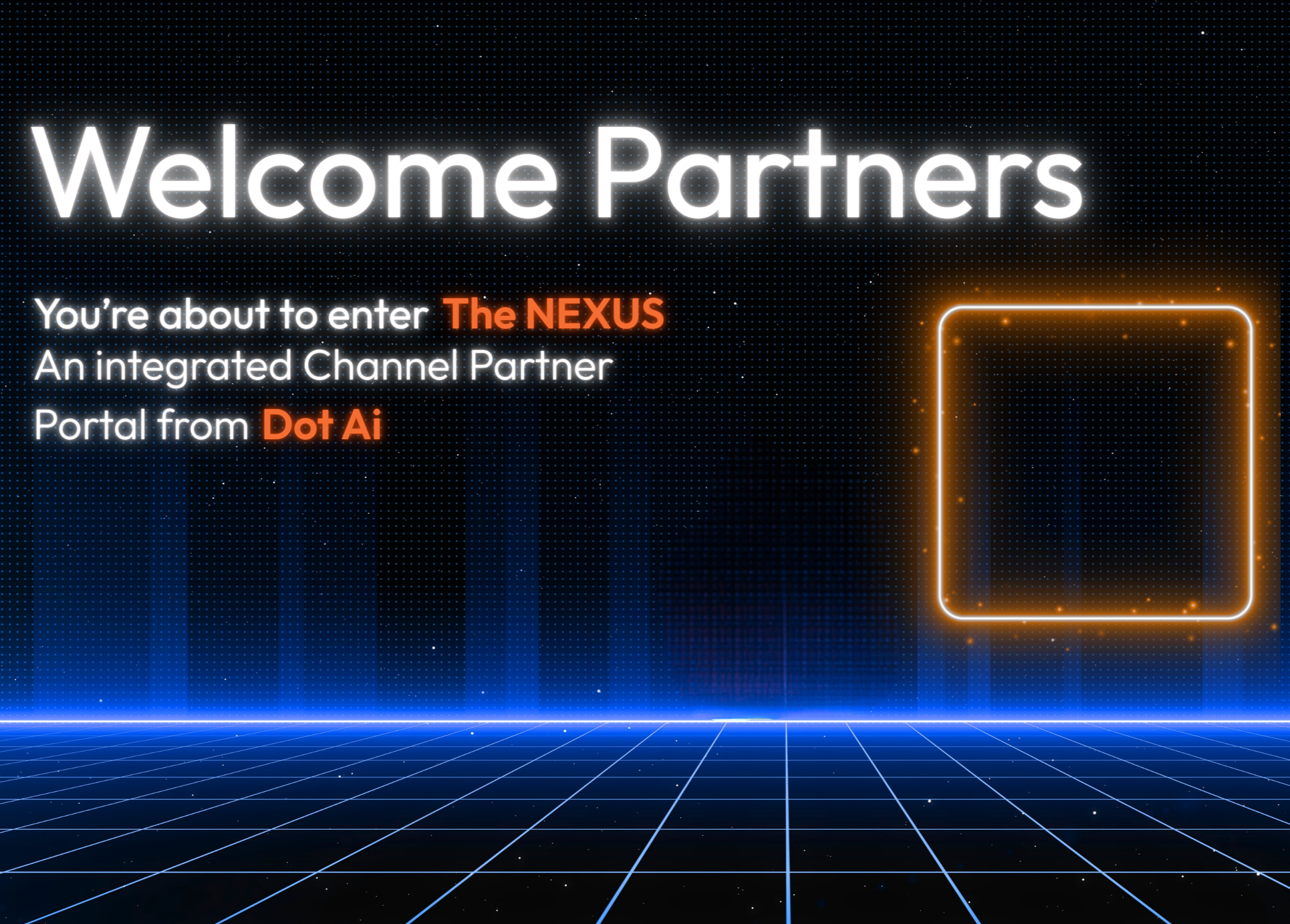
Salesforce Experience Cloud Portal Transformation
Summary
When I was first asked to take on Dot Ai’s Channel Partner Portal, it was not functioning as a meaningful partner destination. Content was outdated, navigation lacked clear logic, resources were difficult to locate or nonexistent, and essential partner activities still depended on manual emails and institutional knowledge.
I led the creative and strategic transformation of the Salesforce Experience Cloud portal, reimagining it as a functional partner hub for enablement, program participation, training, support, and self-service.
THE opportunity
The portal needed to do more than house documents. It needed to help different types of partners understand where to go, what to do next, and how to engage with Dot Ai without relying on a member of the internal team to guide every interaction.
The opportunity was to transform an underused digital space into an experience that could:
Support multiple partner types and stages
Provide access to training and enablement
Clarify program requirements and benefits
Introduce structured MDF and NFR request processes
Make support pathways easier to understand
Strengthen the credibility of the evolving partner program
Answer partner questions about the product, program, and industry
MY ROLE
I owned the portal’s creative direction, information architecture, UX/UI recommendations, copy, content strategy, and enablement experience.
Working with a Sales Operations Engineer who developed the Salesforce Lightning components, I translated partner and business needs into page structures, user flows, functional requirements, content, visual direction, and review-ready designs.
I also created the supporting communication flows, training materials, and walkthrough video needed to make the portal usable after launch.
experience strategy
I began by auditing the existing experience to identify missing content, unclear pathways, inconsistent naming, missing features or functionality, and moments where partners were forced to leave the portal or contact the internal team for routine needs.
Though the redesign did include an entire visual rebranding, new email flows and copy, the redesigned structure prioritized usefulness over decoration. Pages and resources were organized around the questions partners were actually trying to answer:
What does the program offer?
What training do I need?
Where can I find sales and marketing resources?
What resources are available to me?
How do I request support or funding?
What should I do next?
The result was a clearer, more intentional experience built around partner action rather than internal organizational structure.
the experience
The transformation included:
Seven redesigned pages and seven new pages
Partner-focused navigation and information architecture
New MDF and NFR self-service request experiences
Automated MDF, NFR, support, and welcome communications
Training and certification content
Partner program and enablement resources
New homepage engagement points and guided pathways
Seven enablement assets
Three video assets
A complete portal walkthrough and training video
Extending the Experience Beyond the Portal
The portal walkthrough became a second end-to-end project.
I captured all platform footage, wrote the script, produced the AI narration, designed custom graphics, and completed the editing and post-production. The finished video served both as a partner enablement tool and as a guided introduction to the redesigned experience.
Collaboration and Iteration
The work required coordination across Sales, Operations, Customer Success, technical stakeholders, and leadership. I gathered requirements, translated feedback into actionable revisions, and maintained a consistent experience across pages, workflows, communications, and supporting materials.
outcome and value
The redesigned portal gave Dot Ai the foundation for a more scalable partner experience. Partners could access clearer program information, training, resources, support pathways, and request processes from one centralized location.
Just as importantly, the portal began to reflect the maturity and ambition of the partner program itself. It was no longer a digital storage closet. It had become an actual destination.